Federal incentives still available for a short time. Contact us to get your project started in time.

March 10, 2026
5 Common Solar Panel Problems & How to Fix Them
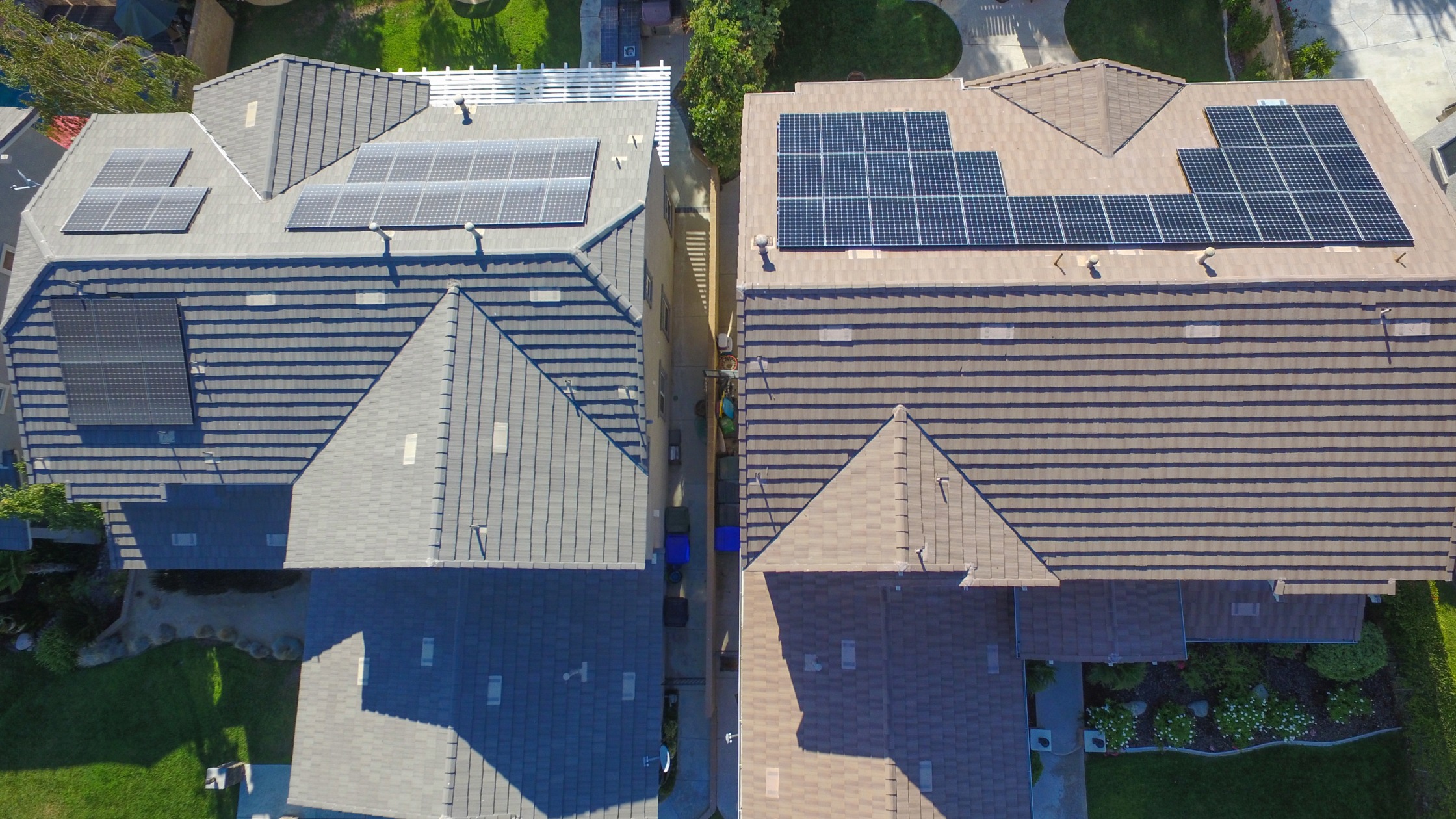
TL;DR: The five most common solar problems are dirty panels (clean 1-2x yearly), shading from growing trees (trim annually), electrical wiring issues (call a pro), inverter errors (check vents and breakers first), and panel damage from weather (inspect after storms). Most issues are preventable with simple maintenance and monthly monitoring checks.
Solar panels are one of the most reliable investments you can make for your home. They're built to last 25 to 30 years with minimal fuss. But "low-maintenance" doesn't mean "no maintenance." Small issues can creep up over time, quietly eating away at your system's performance or shortening its lifespan.
The good news? Most solar problems are preventable, and many are easy to spot if you know what to look for. We're going to walk you through the five most common issues homeowners face with their solar systems, and more importantly, what you can do about them. Some fixes are simple enough to handle yourself. Others need a professional touch. Either way, you'll know exactly what's going on and how to get your system back to peak performance.
Let's dive in.
1. Why Are My Solar Panels Producing Less Power?
If you've noticed a dip in your solar production, dirty panels might be the culprit. It's one of the most common issues we see, especially here in Santa Clarita where dust, pollen, and those notorious Santa Ana winds leave a layer of grime on just about everything.
What's Actually Happening
Your solar panels can't absorb sunlight effectively if they're covered in dirt, pollen, leaves, bird droppings, or wildfire ash. Even a thin layer of dust can reduce your system's output by 5% to 20%. Over months or years, that adds up to real money lost. Uneven dirt accumulation can even cause "hot spots" where panels overheat.
How to Tell Your Panels Are Dirty
Check your monitoring app. If you see a sudden drop in output — or a gradual decline over weeks — dirty panels are often the reason. You might also just look up at your roof. Visible streaking, dust, or debris means it's time for a cleaning. Performance issues worsen after windy weeks, the spring pollen season, or wildfire smoke.
How to Clean Your Panels Safely
You can clean your panels yourself if you're comfortable doing it safely. Use a soft brush or sponge with plain hose water. That's it. Avoid pressure washers, abrasive scrubbers, and soaps that leave residue. Always clean in the early morning or evening when panels are cool — hot panels plus cold water can cause thermal shock and cracking.
If your roof is steep or hard to access, call a professional cleaning service.
Preventing Future Buildup
Most homes do fine with one or two cleanings per year. Dusty areas or homes near agricultural fields might need cleaning every few months. Trim back overhanging branches and clear leaves from your roof periodically. A little routine maintenance goes a long way.
2. Is Something Blocking My Panels from the Sun?
Shade is solar's worst enemy. Even a small shadow across one panel can drag down your entire system's performance, especially if you have an older "string inverter" setup where panels are wired together in series.
What Causes Shading Problems
Trees grow faster than you'd think. That small sapling from five years ago might now cast a shadow across half your array during peak sun hours. Chimneys, vents, and satellite dishes can also create shading issues, especially in winter when the sun sits lower in the sky. In traditional string inverter systems, one shaded panel can reduce the output of the entire string.
Signs You Have a Shading Issue
Check your monitoring app. If you see lower production during specific times of day — say, late afternoon when that oak tree's shadow creeps across your roof — shading is the issue. Seasonal drops are another telltale sign. If your production tanks in spring when trees leaf out, then bounce back in fall, you've got a shading problem.
Fixing Shading Problems
The most straightforward solution is trimming or removing the vegetation causing the shade. If they're costing you 20% or 30% of your solar production, the math usually points toward trimming them back.
If the shade can't be eliminated, talk to a solar technician about your system's configuration. For persistent shading problems, upgrading to microinverters or power optimizers is often the best long-term fix. These systems allow each panel to operate independently, so one shaded panel doesn't drag down the others.
Preventing Shading Issues
Do an annual shade check, ideally in late spring or early summer when trees are fully leafed out. Vegetation grows faster than most homeowners realize. If you're planning a remodel, think about potential shade sources early.
3. What If My Solar System Suddenly Stops Working?
If your monitoring app shows zero production on a sunny day, you might have an electrical or wiring problem. This is one of those issues where you definitely want to call a professional — but it's helpful to understand what might be going on.
What Causes Wiring and Connection Issues
Solar systems are exposed to the elements 24/7. Over time, weather, UV exposure, and temperature swings can degrade connections. Loose wiring, corrosion in junction boxes, and damaged conduit are all common culprits.
Rodents are another frequent problem. Squirrels and rats love to chew through wiring, especially if conduit isn't properly sealed. Poor initial installation can also lead to problems if connections weren't tight or waterproofed correctly from the start.
How to Spot Electrical Problems
The most obvious sign is a sudden drop to zero production. Your monitoring system might also show inconsistent or "spiky" production — wild fluctuations that don't match weather conditions. If you're comfortable safely inspecting from the ground, look for visible damage: chewed wires, damaged conduit, or corrosion around junction boxes.
Getting Electrical Issues Fixed
Don't try to fix electrical issues yourself. Solar systems operate at high DC voltages that can be dangerous, even deadly, if mishandled. This is absolutely a job for a licensed solar technician.
A professional will inspect your junction boxes, check all wire connections, test fuses and breakers, and examine roof penetrations for water damage. If rodents are the problem, they'll replace damaged wiring and install protective mesh.
Preventing Wiring Problems
Annual or biennial professional inspections catch most wiring issues before they cause complete system failures. The best prevention is simply keeping an eye on your system's output. Check your monitoring app weekly or monthly. Catching small issues early prevents bigger, more expensive problems down the road.
4. Why Is My Solar Inverter Showing an Error?
Your inverter is the brain of your solar system. It converts the DC electricity your panels produce into AC electricity your home can use. When your inverter isn't happy, your whole system suffers — even if your panels are working perfectly.
What Goes Wrong With Inverters
Inverters are electronic devices, and like all electronics, they're sensitive to heat, dust, and age. Most inverters are rated to last 10 to 15 years, but they can fail earlier if they're installed in direct sunlight, have poor ventilation, or accumulate too much dust in their cooling vents. Grid issues can also trigger inverter errors.
Signs Your Inverter Is Failing
Most inverters have indicator lights or display screens that show error codes when something's wrong. A red or blinking light is usually your first clue. Your monitoring app will typically show zero production even though it's a sunny day. Some inverters also make clicking or buzzing sounds when they're struggling.
How to Troubleshoot Inverter Problems
Before you call a technician, check your main electrical panel to see if the solar breaker has tripped. If it has, reset it. Next, check if your inverter's cooling vents are clogged with dust or debris. You can carefully clean the vents with a soft brush or vacuum.
Some manufacturers recommend power cycling the inverter to clear minor errors. Check your owner's manual before trying this. If the error persists or you're seeing persistent error codes, it's time to call a solar technician.
Keeping Your Inverter Healthy
Install your inverter in a shaded, well-ventilated location if possible. Clear dust and debris from the vents every few months. As your inverter approaches the 10 to 15-year mark, start planning for replacement.
5. Are My Solar Panels Wearing Out?
All solar panels degrade slightly over time — it's just physics. Most panels lose about 0.5% to 1% of their efficiency each year. That's normal. But sometimes, panels degrade faster due to weather damage, manufacturing defects, or micro-cracks that aren't visible to the naked eye.
What Causes Panel Degradation
Normal aging happens to all panels. After 25 years, a typical panel might operate at 80% to 85% of its original capacity. Weather events are a bigger concern. Hail, falling branches, and wind-blown debris can crack panel glass or damage the cells underneath. Micro-cracks are particularly sneaky — they're often invisible without special equipment, but they interrupt electrical flow and can worsen over time.
How to Tell If Your Panels Are Damaged
Gradual, long-term output decline is normal. If you see a sudden, significant drop in production, or if your monitoring system shows one panel or string consistently underperforming, that's worth investigating.
Visible damage is another clear sign: cracked glass, discoloration, water inside the panel, or lifted frames. After major storms, take a walk around your property and look up at your panels.
Repairing or Replacing Damaged Panels
Damaged solar panels usually can't be repaired. If a panel is cracked or has internal cell damage, replacement is typically the only option. The good news is that individual panels can be swapped out without replacing your entire array. Professional solar technicians can use thermal imaging cameras to identify hot spots and pinpoint which panels are underperforming. If storm damage is the cause, your homeowner's insurance may cover the replacement cost.
Protecting Your Panels Long-Term
Have your system inspected after any major weather event. When it's time to replace old panels, invest in high-quality models with strong warranties. Consider installing critter guards around the edges of your array to prevent birds and squirrels from nesting under your panels, which can trap moisture and debris.
The Power of Monitoring and Routine Maintenance
The single best thing you can do for your solar system is pay attention to it. That might sound obvious, but you'd be surprised how many homeowners install solar and then never look at their monitoring app again.
Most modern systems come with monitoring software built into the inverter or a separate monitoring device. These apps show you real-time and historical production data, and many will alert you automatically if something goes wrong.
Make it a habit to check your app monthly. You don't need to obsess over every data point, but a quick glance will tell you if production is where it should be. If you see unusual dips or patterns, investigate.
Annual or semi-annual professional inspections are also worth the investment. A trained technician can catch wiring issues, inverter wear, and physical damage that you might miss. They'll clean connections, check for corrosion, and make sure your system is operating safely and efficiently.
The benefits add up. Regular maintenance means higher energy production, longer equipment life, a safer installation, and fewer emergency repair calls. It's a small investment that pays for itself many times over.
Keep Your Solar System Running Strong
Solar systems are incredibly reliable, but they're not maintenance-free. The good news is that most problems are easy to prevent with simple habits: clean your panels once or twice a year, trim back trees that create shade, keep an eye on your monitoring app, and schedule an annual checkup with a qualified technician.
Handle the surface-level stuff yourself — cleaning, trimming vegetation, checking your monitoring app. But when it comes to electrical work, wiring issues, or anything structural, always call a licensed professional. Solar systems operate at high voltages, and safety should always come first.
If you're noticing any of the signs we've covered — lower production, error codes, visible damage, or anything else that doesn't seem right — don't wait. Catching problems early is almost always cheaper and easier than dealing with a complete system failure.
Curious about the health of your solar system, or thinking it might be time for a professional inspection? Let's chat. At Green Convergence, we help homeowners keep their solar systems running at peak performance — no pressure, just good info and honest service.
Frequently Asked Questions
Q: How often should I clean my solar panels?
A: Most homes need panel cleaning once or twice per year. If you live in a dusty area, near agricultural fields, or in a region with heavy pollen, you might need to clean every few months. After wildfire season or major windstorms, it's also a good idea to check for buildup.
Q: What should I do if my solar system stops producing energy?
A: First, check your main electrical panel to see if the solar breaker has tripped. If it has, reset it. Next, check your inverter for error codes or warning lights. If the problem persists, contact a licensed solar technician —don't attempt electrical repairs yourself.
Q: How long do solar inverters typically last?
A: Most inverters are rated for 10 to 15 years. String inverters tend to be on the shorter end, while microinverters often last longer. Heat, poor ventilation, and dust can shorten inverter life, so keep them cool and clean.
Q: Should I upgrade to microinverters if I have shading issues?
A: If you have persistent shading that can't be eliminated by trimming trees, upgrading to microinverters or power optimizers is often worth it. These systems let each panel operate independently, so shaded panels don't drag down your entire array's performance.
Q: Will my homeowner's insurance cover solar panel damage from storms?
A: Many policies do cover storm damage to solar panels, but coverage varies. Review your policy or contact your insurance agent to understand your coverage. Always document damage with photos and get a professional assessment.
RELATED ARTICLES:
-
Categories
This is some text inside of a div block.
Our Affiliations


