Federal incentives still available for a short time. Contact us to get your project started in time.

February 24, 2026
When Does Solar Need Service?
7 Signs Your System Needs Attention
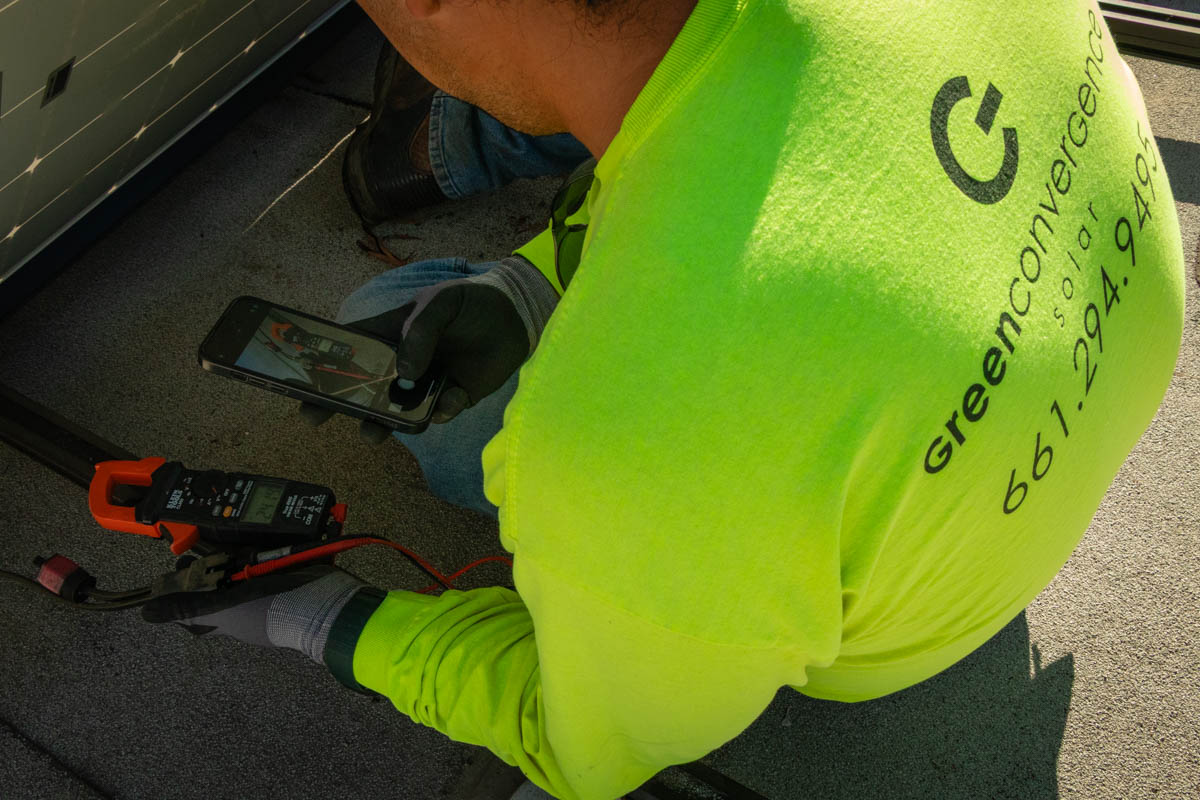
Your solar system is designed to run quietly in the background for decades, but that doesn't mean it's maintenance-free. As your system ages, keeping an eye out for warning signs can help you catch small issues before they become expensive problems.
Southern California's intense sun, dusty winds, and occasional critters can all take a toll on solar equipment over time. The good news? Most problems are easy to spot if you know what to look for. Here are seven signs your solar system may need professional service, plus a few quick checks you can do at home before picking up the phone.
1. Your System's Production Suddenly Drops
One of the easiest ways to tell something's wrong is when your solar production takes a nosedive. If your system is producing way less energy than it did this time last year, or less than what your monitoring app predicts, it's time to investigate.
Common causes include dirty or shaded panels, microcracks from hail or debris, failing inverters or optimizers, loose wiring, or even rodent damage under the array. If you're in an area with a lot of dust or pollen (hello, Santa Clarita winds), dirty panels alone can cut production by 15–25%.
Your monitoring portal — whether it's Enphase, SolarEdge, or another platform — will usually flag underperforming panels. But even a general production decline across the whole system is a red flag worth checking out.
2. Your Solar Monitoring App Shows Errors or Goes Offline
If your monitoring app has gone dark or keeps throwing error messages, don't ignore it. While your system might still be producing power, those alerts often point to bigger issues lurking under the surface.
Possible culprits include a failed communication gateway, Wi-Fi network issues, inverter faults, or a tripped breaker. If your app's been offline for more than a few days, it's worth having a technician take a look. You don't want to miss weeks of performance data, or worse, miss a problem that's costing you money.
3. You're Hearing Unusual Noises
Solar systems should be silent. If you start hearing buzzing, clicking, humming, or scratching sounds coming from your roof or attic, something's not right.
Electrical buzzing can indicate loose connections or failing components. Scratching noises? That's often rodents nesting under your array, a surprisingly common problem in Southern California. These little guys can chew through wiring and cause serious damage if left unchecked. Any strange sounds should be dealt with quickly before they turn into expensive repairs.
Thinking about solar service but not sure where to start? Let's chat about your system, we'll help you figure out what's going on, no pressure.
4. Your Utility Bill Looks Higher Than Usual
If you're suddenly buying more electricity from the grid, especially during sunny summer months, your solar system might not be pulling its weight.
Look for red flags like lower-than-usual net metering credits, increased grid usage without any change in your household habits, or just a plain higher bill. A spike in your utility costs can be one of the fastest indicators that something's off with your solar production.
5. Visible Damage to Panels or Roof Components
You don't need to climb onto your roof to spot potential problems. A quick visual check from the ground can reveal obvious issues that need attention.
Watch for cracked or shattered glass, hot spots or discoloration on panels, sagging mounting hardware, exposed or hanging wires, broken conduit, rodent nesting material, or roof leaks appearing near solar components. Southern California's dry climate can also cause mounting hardware to loosen over time, especially after Santa Ana winds.
Any visible damage should be handled by a licensed solar and roofing professional, your solar system is attached to your home's most important protective layer, so you want to make sure repairs are done right.
6. Your Inverter Lights Are Red or Flashing
Most inverters have built-in diagnostics that show up as colored LED lights. If you're seeing red or amber lights, flashing indicators, or error codes like "Isolation Fault," "Ground Fault," or "Arc Fault," your inverter is trying to tell you something.
These warnings can indicate anything from minor communication glitches to serious safety concerns. Since inverters handle high-voltage DC power, it's best to leave troubleshooting to a certified solar technician who knows how to diagnose and fix the issue safely.
7. It's Been Several Years Since Your Last System Check
Even if everything seems fine, routine maintenance helps you avoid expensive surprises down the road. Solar systems are incredibly durable, but they're not invincible, and a little preventive care goes a long way.
At Green Convergence, we recommend a Solar System Health Check every 2–3 years. A typical checkup includes a full electrical inspection, production analysis, inverter and optimizer testing, panel and roof hardware inspection, an infrared scan for hot spots, and monitoring system verification. Think of it like an oil change for your car, small investments in maintenance protect the bigger investment you've already made.
Quick At-Home Checks You Can Do Right Now
Before calling for service, here are a few simple things you can check on your own:
- Check your monitoring app for error messages or alerts
- Make sure your Wi-Fi is working if your monitoring has gone offline
- Look for tripped breakers in your electrical panel related to your solar system
- Do a visual inspection from the ground for debris, shading changes, or animal activity
- Compare your current production numbers to the same month last year
If anything looks unusual or you're just not sure, it's worth scheduling a professional inspection. Better safe than sorry.
When to Call Green Convergence for Solar Service
You should reach out if your system isn't producing like it used to, you see or hear something out of the ordinary, your monitoring shows repeated alerts or has been offline for days, you notice possible roof or wiring damage, or it's been more than 2–3 years since your last maintenance visit.
With both electrical and roofing expertise in-house, we're uniquely equipped to diagnose and repair solar systems safely and correctly. Whether you installed with another company or us, we're here to help keep your investment running strong.
Let's talk about your solar system. Schedule a health check or service visit today.
FREQUENTLY ASKED QUESTIONS
Q: How often does a solar system need maintenance?
A: Most solar systems should be inspected every 2–3 years to catch potential issues early. While solar panels themselves require minimal upkeep, inverters, wiring, and roof attachments all benefit from periodic professional checks.
Q: Can I clean my solar panels myself?
A: You can, but we don't recommend climbing onto your roof. If your panels are easily accessible from the ground with a hose and soft brush, a gentle rinse can help. For rooftop systems, it's safer to hire professionals who have the right equipment and insurance.
Q: What happens if I ignore warning signs?
A: Small issues can quickly become expensive repairs. A failing optimizer might only affect one panel today, but a damaged wire or leaking roof mount can lead to thousands in repair costs if left untreated. Early action almost always saves money.
Q: Does solar system service cost a lot?
A: It depends on the issue. Simple fixes like resetting a communication gateway or cleaning panels are affordable. Inverter replacements or extensive wiring repairs cost more, but are usually covered under warranty if your system is newer. Routine maintenance typically costs far less than emergency repairs.
Q: Will my solar warranty cover repairs?
A: Most solar equipment comes with warranties ranging from 10–25 years. If the issue is due to manufacturing defects or equipment failure, it's often covered. Damage from rodents, debris, or improper installation typically isn't. We can help you navigate warranty claims and handle repairs, whether they're covered or not.
RELATED ARTICLES:
-
Categories
Customer Service
Our Affiliations


