Federal incentives still available for a short time. Contact us to get your project started in time.

March 24, 2026
Maximize the Life of Your Solar System Through Maintenance
TL;DR: Regular solar maintenance can restore 10-15% of lost production and extend your system's life by 5-10 years. Annual professional inspections catch small issues before they become costly repairs, protect your roof, and ensure you get the full 25-30 years from your investment. DIY monitoring helps, but certified technicians find what monitoring apps can't.
Your solar system is one of the smartest investments you'll make in your home — a 25 to 30-year commitment to clean energy and lower bills. But here's what surprises most homeowners: the difference between a system that performs beautifully for three decades and one that disappoints after just ten often comes down to maintenance. You wouldn't skip oil changes on a car you plan to drive for 25 years, and your solar panels deserve that same care.
Why Does Solar Maintenance Matter?
Solar panels are incredibly durable with no moving parts, which has created a common myth: that they're completely maintenance-free. That's not quite true.
Even the highest-quality panels lose about 0.5% to 1%efficiency each year through normal aging. But environmental factors accelerate this decline significantly if you're not paying attention. Dust, pollen, leaves, and bird droppings pile up on panel surfaces and block sunlight. Here in Santa Clarita, applying too much pressure can scratch protective layers, and in Valencia, our dry conditions and occasional wildfire ash mean that buildup happens faster than you'd think. A layer of dust you can barely see from the ground can cost you 10-15% of your production.
Weather takes its toll, too. High winds loosen mounting hardware, hail or falling branches create micro-cracks, and temperature swings stress electrical connections. Then there's wildlife — rodents and birds nest beneath panels, chew through wiring, and create fire hazards.
Your roof matters just as much. Solar installations penetrate your roof's waterproofing at every mounting point. If flashing deteriorates or mounts shift, you're looking at leaks that damage both your home and equipment. According to the California Contractors State License Board, improper solar installation and maintenance are one of the top causes of roof warranty claims in the state.
Here's the bottom line: a well-maintained solar system produces 15-20% more energy over its lifetime than a neglected one. That's thousands of dollars in savings.
What Are the Signs Your Solar System Needs Maintenance?
Knowing when to call for service can save you from emergency repairs. Here's what to watch for, organized by urgency.
Call Immediately for These Issues
If your inverter shows red lights, error codes, or sends alerts through your monitoring app, don't wait. These warnings indicate electrical problems that need professional diagnosis right away. Roof leaks or water stains near solar mounts also demand immediate attention — even small leaks spread quickly through the roof decking.
Schedule Service Soon for These Concerns
A consistent drop in energy production needs investigation. Compare your current output to the same period last year; a decline of 10% or more year-over-year means something's wrong. If certain panels consistently underperform compared to others, you likely have a connection issue or panel damage.
Plan Preventive Service for These Signs
Visible dirt buildup you can see from ground level means you're losing production. New shading from tree growth happens gradually but impacts output significantly. If you hear scurrying beneath your panels or notice droppings, rodents are setting up camp and can chew through wiring fast. Physical damage like cracked panels or loose mounting hardware needs attention before it worsens.
What Can Homeowners Do for Solar Panel Maintenance at Home?
You don't need to be an expert to keep tabs on your system's health.
Check your monitoring app monthly for trends, not day-to-day fluctuations. If your system consistently produces less than it did during the same month last year, that's worth investigating. Do visual inspections from ground level every few months using binoculars. Look for dirt, debris, damage, or signs of animals.
Pay attention to changes around your property. Did your neighbor plant a tree that's getting taller? Is construction kicking up extra dust? Keep nearby trees trimmed so branches don't overhang your panels.
Know when to stop and call professionals. Never climb on your roof to inspect or clean panels yourself. The safety risks far outweigh any savings, and improper cleaning can scratch panels or damage seals. If monitoring shows problems, you see visible damage, or it's been over a year since your last professional inspection, bring in the experts.
What Does Professional Solar Maintenance Include?
Professional maintenance catches issues that monitoring apps never reveal. Here's what comprehensive service looks like.
How Do Technicians Inspect Solar Systems?
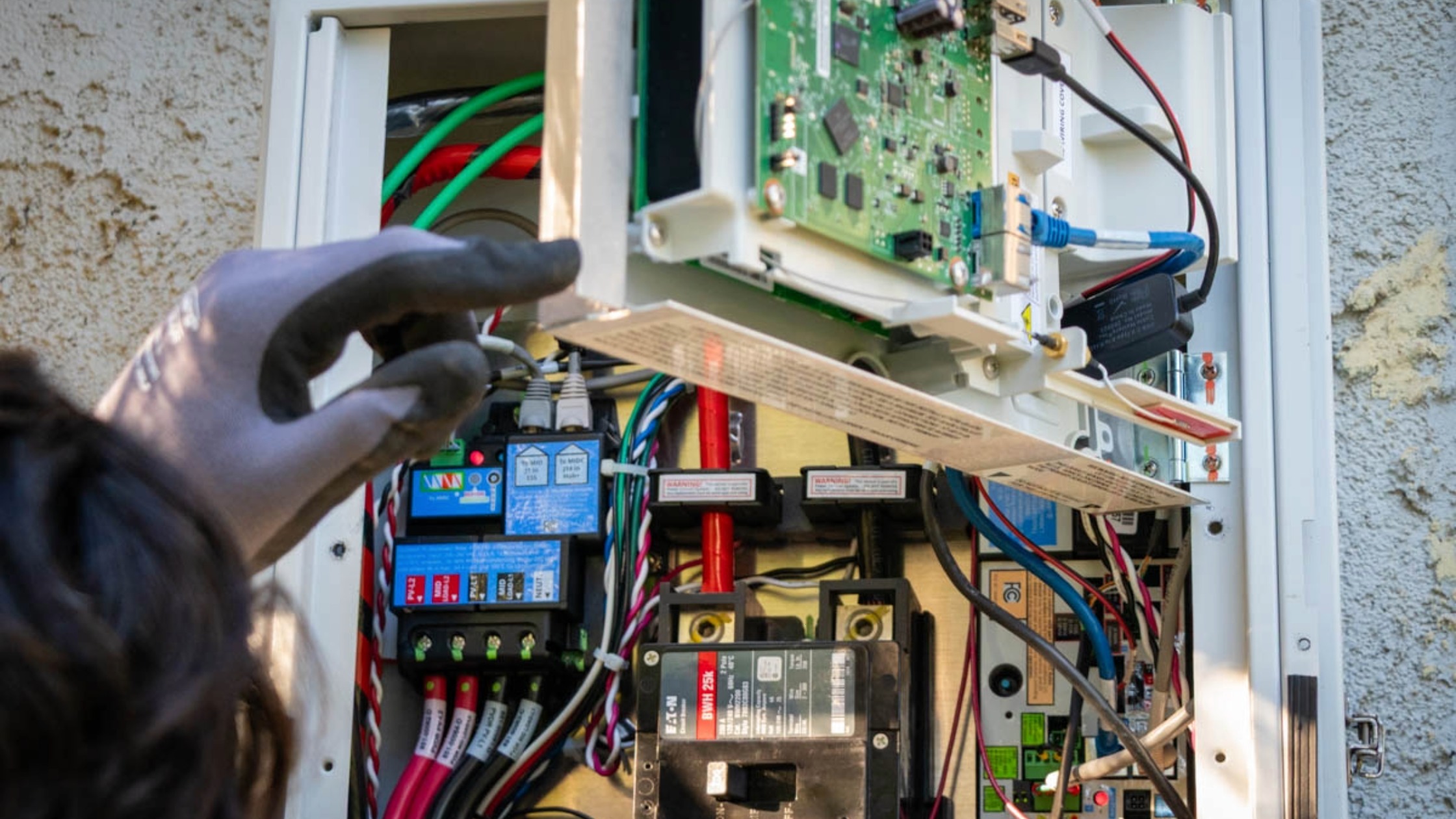
A thorough inspection examines every component. Certified technicians check each panel's output, test electrical connections and voltage, evaluate inverter performance, inspect mounting hardware, and assess your roof and flashing. Thermal imaging cameras spot hot connections that will fail months before they show up as production losses in your app.
Why Professional Panel Cleaning Makes a Difference
Using the wrong tools or too much pressure can scratch protective coatings or break panel seals. Professional cleaning uses purified water systems and soft-bristle tools designed for photovoltaic surfaces. This removes dirt and buildup without surface damage. We've restored 15% production on systems that hadn't been cleaned in just three years.
What Electrical Testing Do Solar Systems Need?
Connections loosen over time due to thermal cycling — daily expansion and contraction as systems heat up in sunlight and cool at night. Professional evaluation tightens all connections, verifies grounding, tests voltage throughout the system, and uses thermal imaging to identify potential failures. According to the National Renewable Energy Laboratory, loose connections are among the top three causes of solar underperformance.
Why Roof Assessment Matters for Solar Systems
This is where Green Convergence's roofing expertise becomes invaluable. Most solar companies don't employ certified roofing specialists. Our dual-certified team inspects flashing around every mounting point, checks for water intrusion or deterioration, and ensures all penetrations remain sealed. We've caught dozens of developing leaks before they caused interior damage.
How Do You Prevent Rodent Damage to Solar Panels?
Critter guards are mesh barriers that prevent rodents and birds from accessing the space beneath panels. Once installed, they're a permanent solution to a problem that commonly causes $2,000-$5,000 in wiring damage.
What Documentation Should You Keep?
After every service visit, you receive detailed reports with photos, work performed, recommendations, and performance data. Some manufacturers, including LG and certain SolarEdge warranties, explicitly require proof of regular maintenance to honor component warranties.
How Often Should You Schedule Solar Maintenance?
Check your monitoring app monthly and do visual walk-arounds from ground level. This takes five minutes but keeps you informed.
Schedule professional inspection and cleaning annually. This includes electrical testing, panel cleaning, roof assessment, and full system evaluation. Annual service is the sweet spot for our climate — frequent enough to catch issues but not unnecessarily often.
Get inspections after major weather events. Following storms, high winds, hail, or wildfire activity with heavy ash, have your system checked even if everything looks fine.
Consider component evaluations every five to seven years. String inverters typically last 10-15 years, so midway evaluation helps you plan for replacement rather than facing unexpected failure.
Schedule inspection before warranties expire. If you're approaching the end of your 10-year workmanship warranty, get a thorough inspection to identify covered issues before coverage ends.
How Does Maintenance Extend Your Solar System's Lifespan?
Regular professional maintenance delivers measurable benefits that compound over 25-30 years.
Cleaning restores and maintains efficiency, directly impacting your electric bill. Professional cleaning can restore 10-15% of lost production. Over 25 years, this adds up to thousands of additional kilowatt-hours. A Santa Clarita homeowner we serviced lost 18% production over seven years from dust and debris. After cleaning and tightening connections, production returned to 98% of the original output.
Prevention of catastrophic failures is where maintenance proves its value. A loose connection costs nothing to fix during routine service, but could eventually arc and damage your inverter. A small roof leak caught during inspection might need simple re-sealing. That same leak, discovered two years later, means rot repair and interior restoration costing thousands.
Systems receiving regular cleaning and maintenance stay close to the natural 0.5% annual degradation rate. Neglected systems often decline at 1.5-2% annually instead. Components operating within design parameters last longer. Clean panels run cooler, reducing thermal stress.
Regular inspections ensure flashing remains sealed, and mounts stay secure. Many manufacturers require documented proof of maintenance to honor warranties. Without service records, warranty claims for failures could be denied.
Why Choose Green Convergence for Solar Maintenance?
We're local experts based in Valencia, serving Santa Clarita, the Santa Clarita Valley, and LA County. We understand regional challenges from Santa Ana winds to wildfire ash to local permitting requirements.
Our dual specialization in solar and roofing is our competitive advantage. Most solar companies don't employ certified roofing experts, and most roofers don't understand solar systems. We do both, catching issues others miss. When we inspect your system, we evaluate everything —panels, electrical components, inverters, batteries, and critically, the roof beneath it all.
We have experience with all major brands, including Enphase, Tesla Powerwall, LG Chem, SolarEdge, and legacy systems from companies no longer in business. Our 5-star reputation is built on transparency, reliability, and exceptional service. We show up on time, communicate clearly, provide photo documentation, and stand behind our work.
We offer comprehensive service from installation through maintenance and upgrades. As your needs evolve, we can help you adapt your system. Our transparent process means no surprises — detailed reports explain findings in plain language with clear pricing and no pressure.
Schedule Your Solar Maintenance Today
Your solar system was designed to deliver decades of clean energy and utility savings. Making that promise a reality requires consistent, professional attention.
Don't wait for warning lights or declining production. Proactive maintenance is always more affordable than reactive repairs. Think of it as insurance for your investment that actually pays for itself.
Ready to protect your investment? Let's chat about your solar system. Schedule your annual maintenance check with Green Convergence, and we'll conduct a comprehensive inspection, clean your panels properly, test all electrical components, assess your roof, and provide you with a detailed report.
We make scheduling easy. Visit our website or give us a call, and we'll find a time that works for your schedule. Ask about our Annual Care Plan for priority scheduling, discounted service rates, and year-round peace of mind.
Your solar system has been working hard for you, generating clean energy and saving you money. Give it the care it deserves, and it'll continue delivering for decades to come.
Frequently Asked Questions
Q: How much does solar panel maintenance cost?
A: Annual professional maintenance typically costs $200-$400 for residential systems, depending on size and roof accessibility. Compare that to$3,000-$5,000 for emergency inverter replacement or roof repairs from undetected leaks.
Q: Can I clean my solar panels myself?
A: We don't recommend it for safety and warranty reasons. Roof work requires fall protection. Using the wrong cleaning tools can scratch panels or damage seals, potentially voiding warranties.
Q: How do I know if my solar panels need cleaning?
A: Check your monitoring app for production drops compared to last year. Visually inspect from the ground for visible dirt or debris. If production has dropped 10% or more without explanation, cleaning is needed.
Q: What happens if I don't maintain my solar system?
A: Unmaintained systems experience accelerated efficiency loss, higher risk of failures, potential roof damage, possible warranty denials, and reduced lifespan. You could lose 15-30% of total lifetime production value.
Q: How long do solar inverters last?
A: String inverters typically last 10-15 years and are the most common component needing replacement. Microinverters often last 20-25 years. Regular maintenance helps maximize these lifespans.
Related Articles
-
Categories
Customer Service
residential-solar
Our Affiliations


