Federal incentives still available for a short time. Contact us to get your project started in time.

January 9, 2026
Commercial Solar Buyer's Guide: What Businesses Need to Know Before Going Solar in 2026
Why Commercial Solar is More Than Just a Sustainability Play
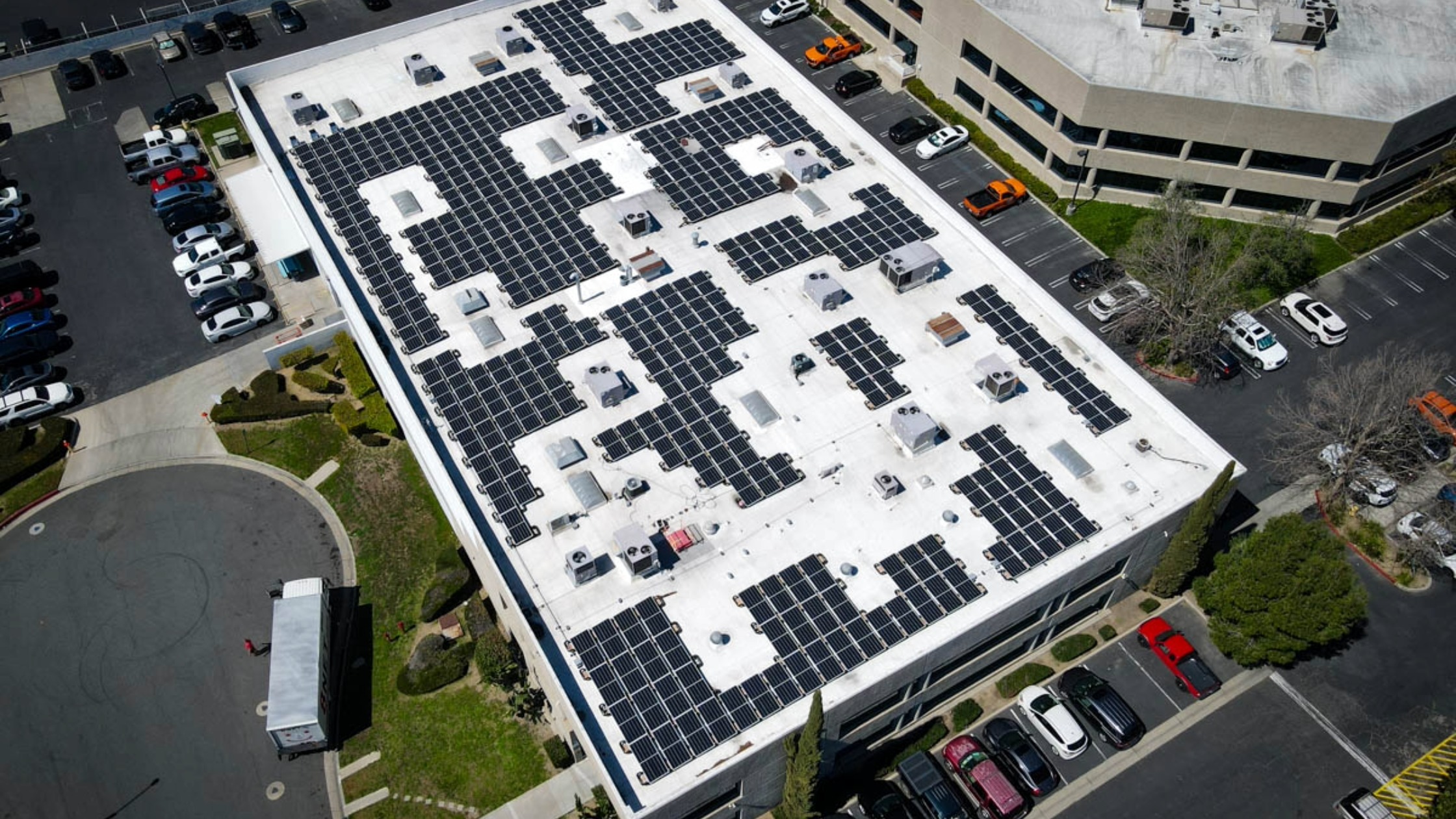
TL;DR: Commercial solar helps businesses stabilize energy costs, reduce demand charges, and improve long-term ROI, especially for facilities with high, consistent power usage. With today’s tax incentives and proper system design, solar is a financial asset, not just an ESG initiative.
Let's be honest, solar panels aren't just about being green anymore.
If you're running a warehouse, a manufacturing facility, or a cold storage operation, you've probably noticed your energy bills creeping up every year. Maybe you're adding robotics to your production line, or you're dealing with AI-driven systems that run 24/7. Either way, your electricity demand isn't going down.
Solar offers something most businesses desperately need right now: predictable energy costs. It's a way to lock in your power expenses while utility rates keep climbing. And yes, it helps your ESG scores too, but that's honestly just a bonus.
In this guide, we'll walk through everything you need to know before going solar: how to evaluate your facility's energy needs, what kind of system makes sense for your property, how to finance it without draining your cash reserves, and what kind of return you can realistically expect.
Figure Out Your Energy Profile
Before you even think about panels and inverters, you need to understand how your facility uses energy.
Most businesses don't realize they're paying two charges on their electric bill: one for the energy they use, and another for their peak demand. That second charge, the demand charge, can make up a huge chunk of your monthly bill, especially if you're running equipment that draws a lot of power all at once.
Here's what you need to look at: your utility tariff structure and your load profile. Translation? How much you're paying, when you're using the most power, and how your utility charges you for it.
Facilities with high, consistent energy use get the best return from solar. We're talking cold storage warehouses, data centers, and manufacturing plants. If you're running operations that can't afford downtime or fluctuating costs, on-site solar generation starts to look pretty smart.
We can run a feasibility study and energy audit to map out exactly where your energy dollars are going, and where solar can make the biggest impact.
What Makes Commercial Solar Different from Residential
If you've seen solar panels on someone's house, you might think commercial solar is just... bigger. It's not that simple.
Commercial systems are more complex. We're talking about structural engineering, electrical load calculations, and interconnection agreements with your utility. It's not a weekend DIY project; it's a capital improvement that needs to be done right.
Your system design depends on a few key factors: the condition of your roof, how much shading you've got, available land if you're considering a ground mount, and whether your electrical service can handle the additional capacity.
You've got three main options:
- Roof-mounted systems
- Ground-mounted arrays
- Solar carports
Each one works better for different types of properties. A warehouse with a flat roof and good sun exposure? Roof mount makes sense. A logistics company with a big parking lot? Carports give you shade for vehicles and power generation in one shot.
Here's something most installers won't tell you upfront: if you're planning to electrify your fleet, whether that's delivery vans, forklifts, or shipping trucks, you need to design your solar system with that future load in mind. Companies like Amazon and FedEx are already making this shift. If you're in logistics or warehousing, you'll probably follow. Build capacity for it now, or you'll be paying for an expensive system upgrade later.
How to Pay for It (Without Breaking the Bank)
Let's talk money.
You've got four main ways to finance a commercial solar project:
- Pay cash
- Take out a loan
- Sign a lease
- Enter into a power purchase agreement (PPA)
Cash gives you the best long-term return and full ownership from day one. A loan is similar, but you spread the cost over time. A lease means you pay a monthly fee to use the system, but you don't own it. A PPA means you're buying the power the system generates at a fixed rate, usually lower than what your utility charges.
Each option affects your cash flow and tax situation differently, so there's no one-size-fits-all answer.
Now here's the good news: the Inflation Reduction Act made commercial solar a lot more affordable. You can claim a 30% federal investment tax credit (ITC) on your project cost. And depending on where your facility is located and where your equipment is made, you might qualify for additional credits, things like domestic content bonuses, energy community adders, or incentives for projects in low-income areas.
On top of that, you can depreciate your solar system by taking advantage of 100% bonus depreciation. But these incentives are not going to be around forever, so acting now means you can stack all these incentives together, giving you a significant reduction in your effective project cost.
If you're a nonprofit or a public entity, you can use direct pay options to claim the credits even though you don't pay federal taxes.
The financing model you choose matters. It changes how much you save, when you see those savings, and how the system shows up on your balance sheet.
What's Your Real Return on Investment?
Okay, so how much will you actually save?
Your ROI depends on three main things:
- How much energy your system offsets
- How much you reduce your demand charges
- How much you avoid in future rate increases
Utilities aren't shy about raising rates, solar locks in a big chunk of your energy costs for the next 25+ years.
For most California facilities, payback periods typically range from three to seven years. After that, you're generating power at near-zero marginal cost.
But don't just look at monthly savings. Solar also increases your property value and can make your facility more attractive to tenants or buyers down the road.
Now, about performance guarantees: some installers will promise your system will produce a certain amount of energy. That's great, but only if it's backed up by a real operations and maintenance (O&M) package. A guarantee without ongoing monitoring, scheduled inspections, and regular maintenance is just a piece of paper.
You also need to factor in panel degradation. Solar panels lose a tiny bit of efficiency each year, usually around 0.5% annually. A good financial model accounts for that and adjusts your savings projections over the system's lifespan.
Finding the Right Solar Partner (This Part Really Matters)
Here's where a lot of businesses get burned: they pick an installer based on price alone.
Commercial solar isn't a commodity. The quality of your installation directly impacts how much energy you generate, how long your system lasts, and whether you run into expensive problems down the road.
Look for a few key things. First, make sure the company are certified electrical contractors. That's the industry standard for solar expertise. Second, ask if they have design/build experience and in-house roofing capabilities. Why roofing? Because drilling holes in your roof to mount solar panels is where a lot of leaks and structural issues come from. If your installer doesn't understand roofing, you're taking a big risk.
At Green Convergence, we do both solar and roofing. That's not common, but it matters. We're not just bolting equipment onto your building, we're making sure the structure can handle it and that your roof stays watertight for decades.
Red flags to watch for: subcontracted labor (you want one company accountable, not a chain of subs), vague performance claims without data to back them up, and limited post-installation support.
What you really want is a partner who handles everything: design, permitting, installation, and ongoing O&M. Solar isn't a set-it-and-forget-it investment. It's a long-term asset that needs professional care.
The Paperwork Maze: Interconnection and Permitting
This is the part nobody warns you about, and it's often the longest phase of the project.
Getting your solar system approved by your local jurisdiction and interconnected with your utility takes time. We're talking permits, inspections, utility agreements, and engineering reviews. If you don't start this process early, it will delay your project.
It gets even more complicated if you're building a new facility. Solar needs to be integrated into your electrical and structural plans from the start. That means coordination between your architect, your general contractor, your utility, and your solar installer.
We work directly with all those parties to keep everything aligned. We know what utilities need to see, what AHJs require, and how to get approvals without endless back-and-forth.
This is project management that actually matters. A good solar partner doesn't just install equipment; we keep your timeline on track and prevent costly delays.
Keeping Your System Running at Peak Performance
Once your system is up and running, it needs ongoing care.
A commercial solar system is a 25-year investment. Panels get dirty. Inverters occasionally fail. Wiring connections can loosen over time. Without regular maintenance, your system's output drops, and so do your savings.
That's where O&M comes in. A comprehensive O&M plan includes remote monitoring (so issues get flagged before they become expensive problems), scheduled inspections, and predictive maintenance.
We offer tailored O&M contracts with remote diagnostics. We're tracking your system's performance in real time and catching issues early. That's how you protect your investment and keep your energy production where it should be.
If someone sold you a performance guarantee but didn't include O&M, you're not really covered. Guarantees only work when someone is actively maintaining the system.
Is Your Facility Ready for Solar?
If you've read this far, you're probably wondering what the next step looks like.
Here's what you'll need to move forward:
- Your recent energy bills (at least 12 months if possible). This shows your usage patterns and cost structure.
- Facility blueprints or site plans. We need to know your roof condition, available space, and electrical setup.
- Information about future plans. Are you expanding your operations? Electrifying your fleet? Adding robotics or automation equipment? That affects how we size your system.
The best place to start is with a commercial solar assessment. We'll evaluate your facility, run the numbers, and show you what kind of savings and ROI you're looking at, no pressure, just real information.
If you're ready to take control of your energy costs and see what solar can do for your business, let's talk. We have the solar expertise and roofing knowledge to make sure your project is done right from day one.
Frequently Asked Questions
Q: Is commercial solar really worth it for my business?
A: If your facility has high or consistent energy usage, commercial solar can significantly reduce operating expenses and provide predictable energy costs for 25+ years. Many California businesses see payback in as little as 3–7 years.
Q: How is commercial solar different from residential solar?
A: Commercial systems are more complex and require detailed engineering, utility coordination, and permitting. They must be designed around demand charges, structural constraints, and future energy needs—not just available roof space.
Q: What incentives are available for commercial solar?
A: Businesses can take advantage of the 30% federal Investment Tax Credit (ITC) and 100% bonus depreciation. The ITC can have additional bonus incentives such as domestic content bonuses or energy community adders, depending on project location and equipment sourcing.
Q: What financing option is best—cash, loan, lease, or PPA?
A: The best option depends on your cash flow, tax appetite, and balance sheet goals. Cash and loans typically provide the highest long-term returns, while leases and PPAs offer lower upfront costs and immediate savings.
Q: Why does choosing the right solar partner matter?
A: A quality installation directly impacts system performance, roof integrity, and long-term ROI. Working with a certified solar and roofing contractor who handles design, permitting, installation, and ongoing O&M helps avoid costly issues and protects your investment.
RELATED ARTICLES:
Categories
commercial-solar
Our Affiliations


